Domestic pets are complex creatures. Have you ever wondered why they do certain things? Your cat looks smart, but how sharp is his memory? Why is it that your dog can always outrun you? Is it your imagination, or does it seem like your bird is always eating? Here are some interesting facts that will keep you guessing.
THIS BLOG IS FOR ALL ANIMALS AND BIRDS PURPOSES ONLY. CONTENT MAY CONTAIN ERRORS OR INACCURATE INFORMATION, AS IT IS BASED ON GOSSIP, NEWS, RUMORS, AND PERSONAL OPINIONS. ALL IMAGES AND VIDEOS THAT APPEAR ON THIS BLOG ARE COPYRIGHT THEIR RESPECTIVE OWNERS. IF YOU OWN THE RIGHTS TO ANY OF THE IMAGES AND DO NOT WISH THEM TO APPEAR ON THIS BLOG, THEN Contact Me AND I WILL REMOVE THEM IMMEDIATELY
Saturday, April 27, 2024
Pets New HD Wallpapers
Monday, April 14, 2014
Pristella Maxillaris Amazing Fish X-Ray Tetra
The Pristella Tetra Pristella Maxillaris, also known as the Golden Pristella Tetra, is a very pretty little characin. Its known as the X-Ray Fish because its silvery yellow body that is quite transparent. It has striking fin coloration as well, with the dorsal and anal fins having a yellow stripe followed by a black stripe, and finally end up with a white tip, and the tail fin being red or pink. Other common names that describe this beauty range include Water Goldfinch, X-ray Tetra, and Pinktailed Tetra.
The Golden Pristella Tetra is an excellent fish for the beginner. It is extremely hardy and undemanding and is not at all choosy in its water type. That's probably because it is found naturally in both brackish water as well as soft water. It can even withstand very hard water, though it does do its best in soft. A dark substrate and subdued lighting will show the X-Ray Fish best and enhance its colors. It will not get its full color in hard water or under bright light.
Wednesday, March 19, 2014
The Pelican Beautiful Bird Wallpapers & Facts 2014
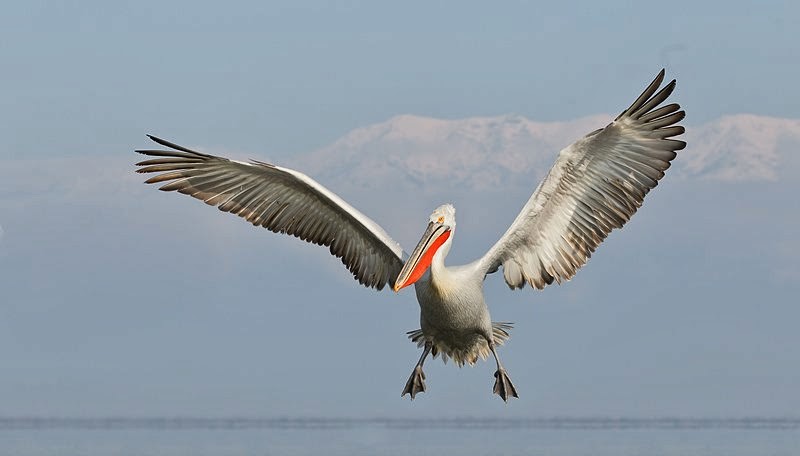
The Pelican is a comically elegant bird with an oversized bill, sinuous neck, and big, dark body. Squadrons glide above the surf along southern and western coasts, rising and falling in a graceful echo of the waves. They feed by plunge-diving from high up, using the force of impact to stun small fish before scooping them up. They are fairly common today—an excellent example of a species’ recovery from pesticide pollution that once placed them at the brink of extinction.
Pelican
Pelican
Pelican
Pelican
Pelican
Pelican
Thursday, September 5, 2013
Common Pheasant Beautiful Bird in The World
Originally a native of Asia, the Common Pheasant (Phasianus colchicus) was first introduced to the United States in 1857. Since then, the species has achieved well-established populations in the Midwest, the Great Plains, and parts of the Western mountain states. American Expedition is proud to present information, facts, and photos of the Common Pleasant.
Common Pheasant
Common Pheasant
Common Pheasant
Common Pheasant
Common Pheasant
Common Pheasant
Common Pheasant
Friday, August 30, 2013
Malachite Kingfisher Beautiful Bird Of The World
The Malachite Kingfisher is a river kingfisher which is widely distributed in Africa south of the Sahara. It is largely resident except for seasonal climate related movements. This is a small kingfisher, 13 centimetres in length.
Malachite Kingfisher
Beautiful Quetzal Bird
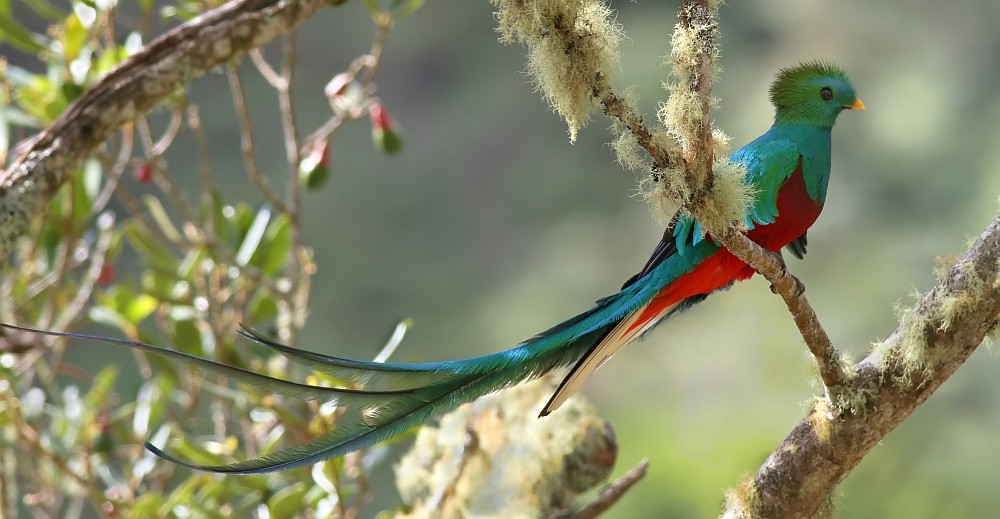
The resplendent Quetzal is an aptly named bird that many consider among the world's most beautiful. These vibrantly colored animals live in the mountainous, tropical forests of Central America where they eat fruit, insects, lizards, and other small creatures.
During mating season, male Quetzals grow twin tail feathers that form an amazing train up to three feet (one meter) long. Females do not have long trains, but they do share the brilliant blue, green, and red coloring of their mates. Male colors tend to be more vibrant.
Quetzal Bird
Quetzal Bird
Quetzal Bird
Quetzal Bird
Quetzal Bird
Quetzal Bird
Wednesday, August 21, 2013
Black Bear Fatcs and Photos 2013
Black bears are North America's most familiar and common bears. They typically live in forests and are excellent tree climbers, but are also found in mountains and swamps. Despite their name, black bears can be blue-gray or blue-black, brown, cinnamon, or even (very rarely) white.
Black bears are very opportunistic eaters. Most of their diet consists of grasses, roots, berries, and insects. They will also eat fish and mammals—including carrion—and easily develop a taste for human foods and garbage. Bears who become habituated to human food at campsites, cabins, or rural homes can become dangerous and are often killed—thus the frequent reminder: Please don't feed the bears!
Solitary animals, black bears roam large territories, though they do not protect them from other bears. Males might wander a 15- to 80-square-mile (39- to 207-square-kilometer) home range.
When winter arrives, black bears spend the season dormant in their dens, feeding on body fat they have built up by eating ravenously all summer and fall. They make their dens in caves, burrows, brush piles, or other sheltered spots—sometimes even in tree holes high above the ground. Black bears den for various lengths of time governed by the diverse climates in which they live, from Canada to northern Mexico.
Female black bears give birth to two or three blind, helpless cubs in mid-winter and nurse them in the den until spring, when all emerge in search of food. The cubs will stay with their very protective mother for about two years.
Black Bear
Black Bear
Black Bear
Black Bear
Black Bear
Subscribe to:
Posts (Atom)